Stress Relief
 ArticleLearning to Let Go of Control and Reduce AnxietyHave you noticed how much time and energy the constant desire to control everything consumes? Planning the tiniest details, running through every possible scenario, and trying to predict the future to avoid mistakes—at first glance, this might seem like a responsible approach to life. But over time, this strategy turns into a source of tension, fatigue, and chronic anxiety.5 min.Stress Relief
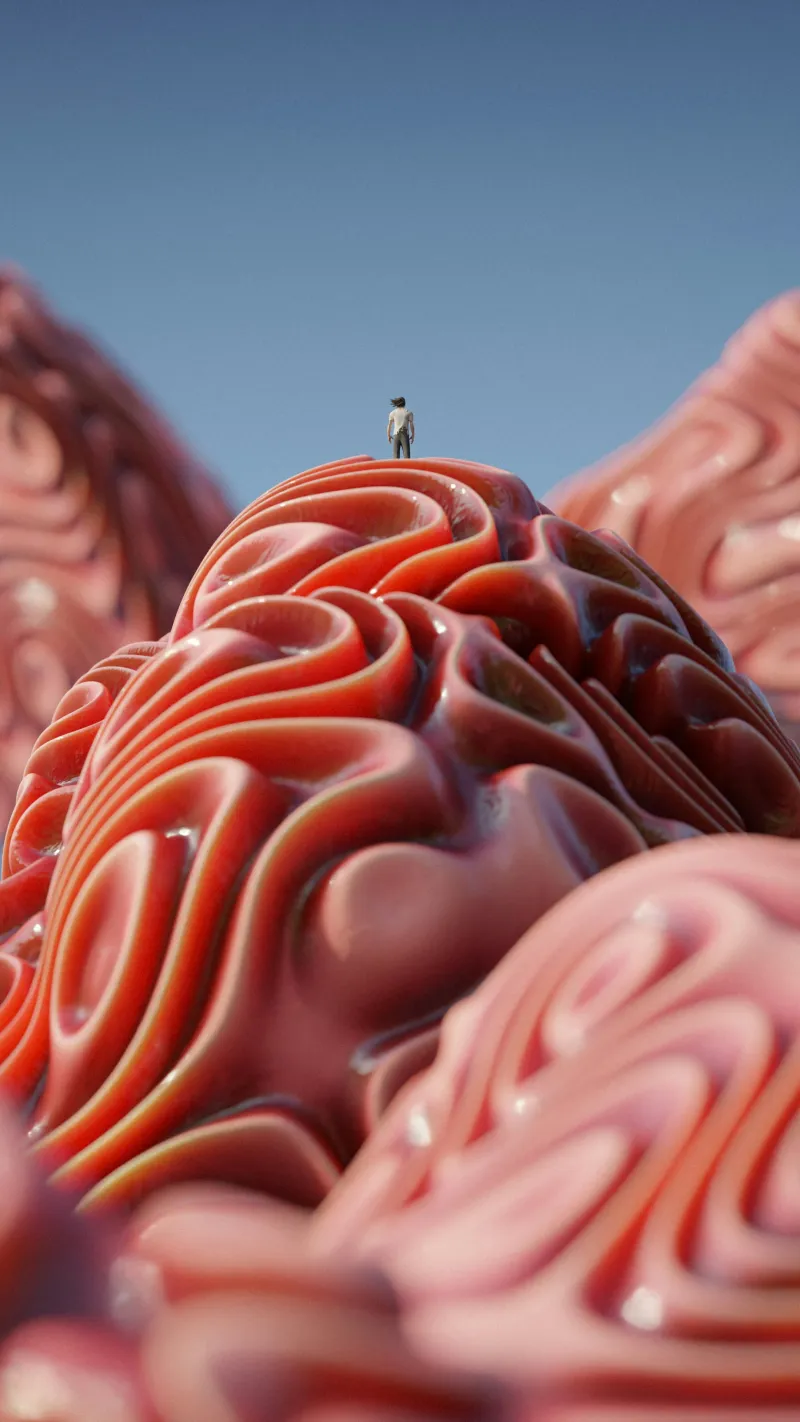 ArticleWhy Our Brain Loves RoutineIn a world where every minute is packed with news and changes, we constantly hear about the importance of flexibility, adaptability, and continuous growth. At the same time, we might catch ourselves feeling comfortable waking up at the exact same time, making a familiar breakfast, and going through our usual motions. This isn't laziness or a lack of creativity. It is simply how our brain works.4 min.Stress Relief
 ArticleGrounding for Stress Relief: Techniques That Actually WorkSometimes, a single piece of news, a difficult conversation, or just a hard day is enough to knock the ground right out from under you. You might feel anxiety building up inside as your body grows tense. It becomes harder to focus or breathe; feelings of anxiety, anger, and even shame swell within you, and reality seems to just slip by.4 min.Stress Relief
 ArticleHow the Body Remembers Trauma and What to Do About ItWe are used to thinking of trauma as something that lives in our memory or our heart—as a sad experience that left an emotional mark. But the body has its own memory, too. It can store traces of what you went through even when your conscious mind has already "let go" of the situation. Sometimes, anxiety, muscle tension, sleep issues, or even unexplained physical pain aren't just random symptoms—they are signals that your body is still holding onto an unresolved experience.5 min.Stress Relief
 ArticlePTSD: Understanding Post-Traumatic Stress DisorderTraumatic experiences are something almost everyone faces at some point in their lives. Accidents, the loss of loved ones, violence, natural disasters, war, or even long-term stress — all of these can leave a deep mark on the human psyche. Post-Traumatic Stress Disorder (PTSD) is not uncommon. However, many people still don't fully understand this psychological condition or just how devastating its consequences can be.4 min.Stress Relief