Gadgets have become an integral part of our daily routine. Smartphones, computers, and TVs aren't just about making life easier—they also constantly affect our bodies. One of the biggest concerns is the blue light pouring from our screens. We rarely give it a second thought, but its impact on our sleep can be severe, especially if we spend our evenings and late nights glued to our devices.
What Is Blue Light and Where Do We Encounter It?
Blue light is a high-energy, short-wavelength light that has a profound effect on us. During the day, it does exactly what it's supposed to do: keeps us alert, sharpens our reaction times, and boosts our mood. But at night, it works against us by interfering with the biological processes that tell our bodies to wind down. Since we are increasingly surrounded by screens and energy-efficient lighting, we end up bathed in blue light long after the sun goes down.
Natural Sources of Blue Light
The sun is our main natural source of blue light, and it actually helps keep our sleep-wake cycle on track. Getting plenty of sunlight during the day signals our bodies to dial back melatonin (the sleep hormone) production, keeping us naturally awake and active.
Artificial Sources of Blue Light
- LED lighting. These bulbs are everywhere because they save energy and last forever. However, LEDs give off much more blue light than old-school incandescent bulbs, which can easily ruin your sleep if you keep them on late at night.
- Digital screens. Smartphones, tablets, computers, and TVs are the primary artificial blue light offenders. Constantly staring at these devices, especially right before bed, throws off your circadian rhythms, leading to poor sleep, dry eyes, and visual fatigue.
- Fluorescent lighting. These bulbs also emit a fair amount of blue light and are a staple in offices, stores, and other public spaces.
Our growing reliance on artificial blue light has made its health effects impossible to ignore. While it plays a crucial role in keeping our natural rhythms in check and making us feel good during the day, overloading on it at night can take a serious toll on our well-being.
How Does Blue Light Affect Sleep and the Body?
Blue light triggers a chain reaction in human physiology. While most research highlights how it messes with our circadian rhythms and sleep, its ripple effects actually extend to our eye health, mood, and overall sense of well-being.
Impact on Circadian Rhythms and Sleep
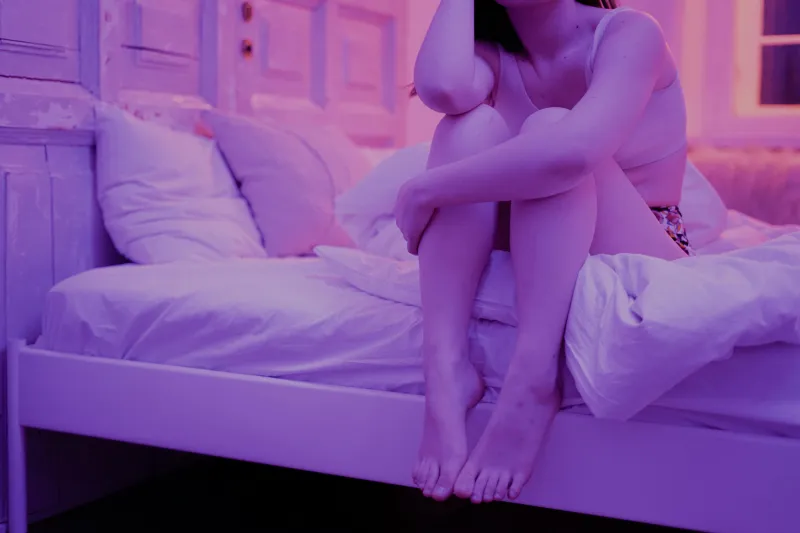
Your circadian rhythms manage everything from when you feel tired to how your metabolism runs. Light is the ultimate cue that keeps this internal clock ticking, and blue light is the strongest signal of all. It hits specific receptors in your eyes that tell your brain to suppress melatonin. Without enough of this sleep hormone, winding down becomes a struggle, paving the way for sleep disruption.
Studies on both humans and animals confirm that evening exposure to blue light degrades your sleep, making it shallower and cutting it short. This frequently leads to tossing and turning or waking up in the middle of the night, which eventually contributes to chronic fatigue and other health issues.
Impact on Eye Health
Right now, science hasn't found a direct link between blue light and major eye diseases. While some animal studies hint that it could harm retinal cells, doctors point out there’s no solid proof that it actually damages the human retina. Still, it's worth keeping in mind that we don't yet know the long-term effects of LED screens on our eyes, simply because the technology hasn't been around long enough.
Blue Light and Overall Health
Overdosing on blue light after dark can take a serious toll on both your physical and mental health. A broken circadian rhythm opens the door to conditions like insomnia, depression, and metabolic issues. In fact, the glare from our phones, laptops, TVs, and modern light fixtures has become the leading culprit behind our disrupted sleep patterns.
It's also crucial to look at how blue light interacts with other aspects of your health. For instance, scrolling through devices before bed doesn't just wreck your sleep cycle; it often spikes your stress levels, chipping away at your emotional resilience. The resulting sleep deprivation leaves you with brain fog, a terrible mood, and a noticeable drop in productivity the next day.
How Can You Reduce Blue Light Exposure?
Blue light isn't purely evil—it has its perks and its downsides. The trick is to strike a balance and actively manage your exposure at night so you can protect your sleep and keep your health intact.
- Using screen filters. Many modern gadgets feature a built-in function that cuts down on blue light at night, giving your circadian rhythms a break. If your device lacks this feature, you can always buy a physical filter to place over your screen.
- Wearing blue light blocking glasses. These are a popular fix for people who stare at screens all day or use gadgets late into the night. While tests show they do block a portion of the light, science is still out on whether they actually prevent eye strain or offer major health benefits. Even so, many people find them helpful for taking the edge off of screen glare.
- Limiting screen time before bed. Recent studies point to one clear solution: ditch your digital devices at least an hour before sleep. This gives your body a chance to naturally wind down and reset its circadian rhythms, massively increasing your chances of getting a deep, restorative night's rest.
- Proper home lighting. To set the stage for sleep, it is important to ensure soft lighting in your room and avoid bright bulbs that emit a lot of blue light, especially at night. Switching to warm, yellow-toned lamps in the evening is a great idea.
- Practicing the 20-20-20 rule. When you’re glued to a screen that emits blue light, make it a habit to stop every 20 minutes and look at an object 20 feet (about 6 meters) away for 20 seconds. This simple trick forces your eye muscles to relax and cuts down on visual fatigue.
- Keeping your eyes hydrated. To prevent dry and irritated eyes during screen time, you can use artificial tears or run a humidifier in your room. This helps keep your eyes comfortable during long digital sessions.
Summary
As our screen time hits all-time highs, the health impact of blue light is an issue we can no longer ignore. It does a great job of keeping us alert and in a good mood while the sun is up, but blasting our eyes with it at night throws off our biological clocks, ruins our sleep, and exhausts our eyes.
To minimize the fallout, it is important to apply a few simple strategies, such as limiting screen time before bed, using blue light filters, and wearing specialized glasses.
By keeping these simple tips in mind, you can shield your body from the worst of blue light and finally get the rest and healthy sleep you need.